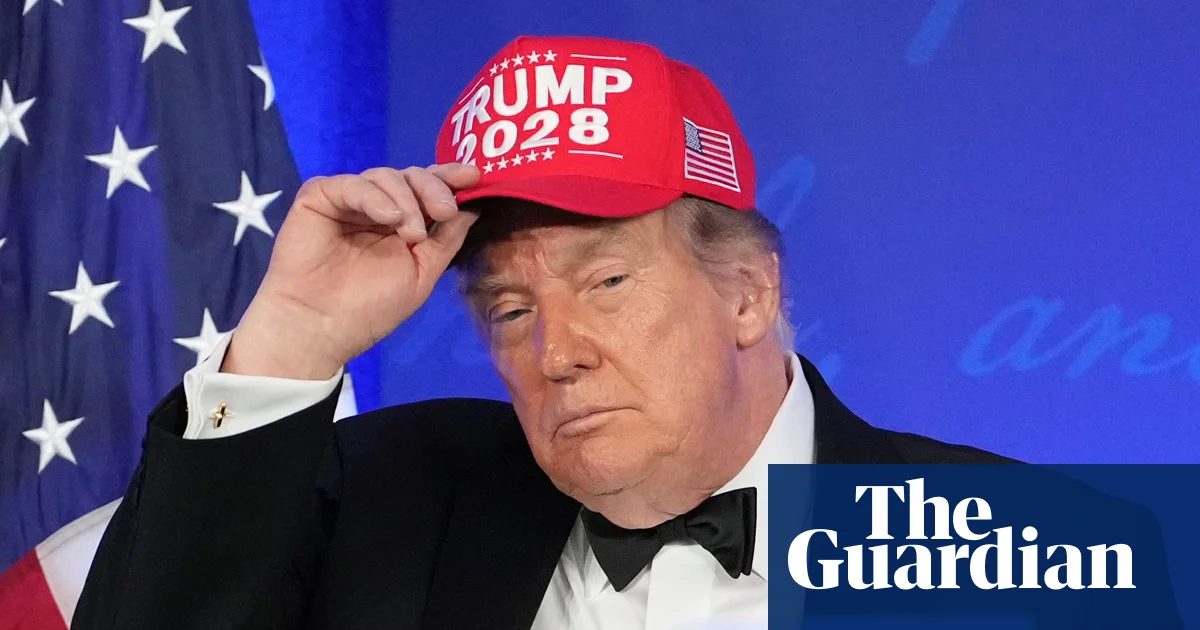
The landscape of American governance has shifted dramatically as Donald Trump enters a second term that looks fundamentally different from his first. Where there were once internal frictions and principled pushback, there is now a striking silence. Many of the political figures who previously stood in his way have vanished from the inner circle, and the legal experts who once acted as guardrails are now far more selective about which battles they choose to fight. This vacuum of opposition has paved the way for what some observers describe as an imperial presidency, where executive authority is wielded with unprecedented autonomy.
This consolidation of power allows for a sweeping restructuring of the federal government, touching everything from aggressive shifts in economic policy to radical changes in immigration enforcement. Perhaps most concerning to constitutional scholars is the notion that the office of the presidency itself is being reshaped to expand its own reach. With fewer institutional checks remaining within the White House, the boundary between personal will and public policy continues to blur, leaving few mechanisms left to temper the administration’s impulses.
In a recent discussion, veteran journalist Jonathan Freedland spoke with Jonathan Swan, one of the reporters who has tracked Trump’s trajectory most closely through his work at the New York Times. Their conversation delved into how this concentration of power was achieved and what it signifies for the future of democratic norms both at home and abroad. By examining these dynamics, particularly those detailed in the new book Regime Change co-authored by Swan and Maggie Haberman, it becomes clear that we are witnessing not just a change in leadership but a fundamental transformation of state power.